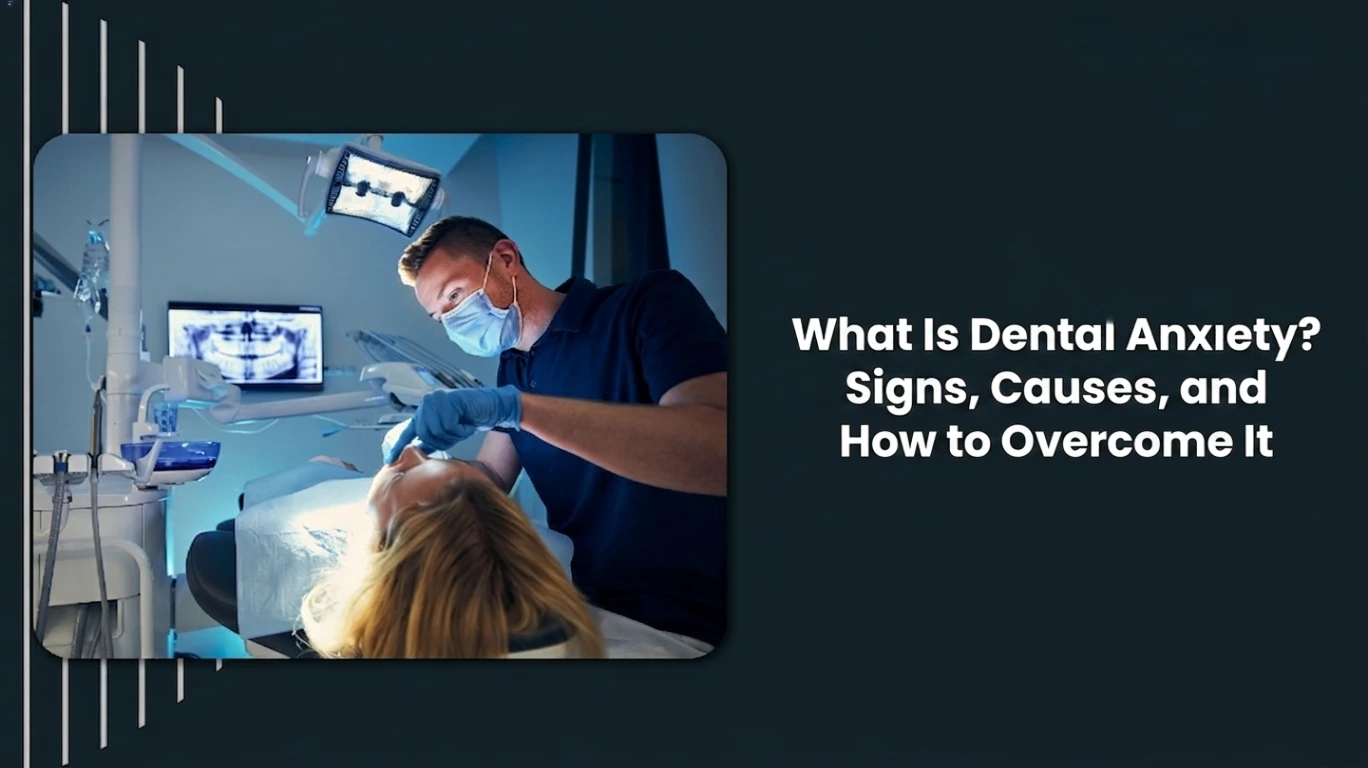
Do you feel your heart race the moment you think about booking a dental appointment? You are not alone, and you are not being dramatic.
Dental anxiety is one of the most common reasons people avoid the dentist for years, sometimes decades. And that avoidance almost always makes things worse.
This guide explains exactly what dental anxiety is, why it happens, and most importantly, what actually works to get through it.
Dental anxiety is a feeling of fear, stress, or unease that is specifically connected to dental visits or procedures.
It can show up before an appointment, during treatment, or even just when you think about sitting in the dental chair. For some people it is mild nervousness. For others it is intense enough to cancel appointments repeatedly or avoid the dentist entirely for years.
It is important to understand that dental anxiety is not a character flaw. It is a real and recognized response that affects millions of people every day.
More common than most people think.
Research published in the British Dental Journal estimates that 36% of the population experiences some degree of dental anxiety. Around 12% report extreme dental anxiety, and studies suggest that dental fear is the primary reason up to 40% of people skip regular dental care altogether.
That means roughly one in three people sitting in a waiting room are quietly dreading what comes next.
These three terms often get used interchangeably, but they are not quite the same thing.
The line between anxiety and phobia comes down to how much the fear is controlling your decisions and affecting your health.
Dental anxiety rarely comes from nowhere. There is almost always a reason behind it, even if it is not immediately obvious.
The most common dental anxiety causes include:
Past negative experiences A painful procedure, an insensitive dentist, or a traumatic visit during childhood can create a lasting association between dental care and fear. This is one of the most frequently reported causes.
Fear of pain Many people with dental anxiety are not afraid of the dentist specifically. They are afraid of pain. This is especially common in people who had treatment before modern anesthesia techniques became standard.
Loss of control Lying back in a chair with someone working in your mouth while you cannot speak or move triggers a vulnerability response in a lot of people. The sense of helplessness is genuinely uncomfortable.
Embarrassment or judgment People who have not been to the dentist in a long time often feel ashamed about the state of their teeth. The fear of being judged or lectured keeps them from going back, which creates a cycle that gets harder to break over time.
Sensory triggers The sound of the drill, the smell of the office, the bright overhead light. These sensory details become strongly associated with fear for many patients, sometimes triggering anxiety before any procedure even begins.
Generalized anxiety or trauma history People who already experience anxiety disorders, PTSD, or a history of trauma are significantly more likely to develop dental anxiety. The dental setting involves physical closeness, limited control, and occasional discomfort, all of which can activate existing anxiety responses.
According to the Anxiety and Depression Association of America, specific phobias including dental phobia affect approximately 19 million adults in the United States, making it one of the most prevalent anxiety-related conditions in the country.
Dental anxiety symptoms can be physical, emotional, or behavioral. Many people experience a combination of all three.
Physical symptoms:
Emotional symptoms:
Behavioral symptoms:
Dr. Sherif Tadros of Tadros Dental explains it this way: "A lot of patients come in and apologize for being nervous, as if it is something to be ashamed of. But dental anxiety is one of the most common things we see. The moment a patient tells us they are anxious, everything about how we approach that appointment changes. Communication and control are the two things that make the biggest difference."
The good news is that dental anxiety is manageable. It does not have to keep you from getting care.
Here are nine strategies that genuinely help:
If you are looking for a dental team that takes anxiety seriously, Tadros Dental's approach to patient comfort is built around making nervous patients feel genuinely at ease from the first phone call.
If you feel dread, nervousness, or panic at the thought of a dental appointment, and it affects whether or not you go, that is dental anxiety. Physical symptoms like a racing heart, sweating, or nausea before or during visits are also common signs.
Yes. Options include nitrous oxide, oral sedation medication taken before the appointment, and in some cases IV sedation for severe cases. Talk to your dentist about what is available and appropriate for your level of anxiety.
Most dental fear traces back to a past negative experience, fear of pain, or a feeling of losing control in the chair. Sensory triggers like sounds and smells can also reinforce the fear over time, even if you cannot pinpoint a specific cause.
Dental anxiety on its own is not classified as a mental illness. However, severe dental phobia is recognized as a specific phobia in the DSM-5, which is the diagnostic manual used by mental health professionals.
Q5 How common is fear of the dentist?
Very common. Studies estimate that around 36% of people experience some level of dental anxiety, and approximately 12% have anxiety severe enough to be considered dental phobia. It is one of the most widespread fears among adults worldwide.
Without regular care, small problems become big ones. Cavities progress into infections, gum disease advances into bone loss, and teeth that could have been saved end up needing extraction.