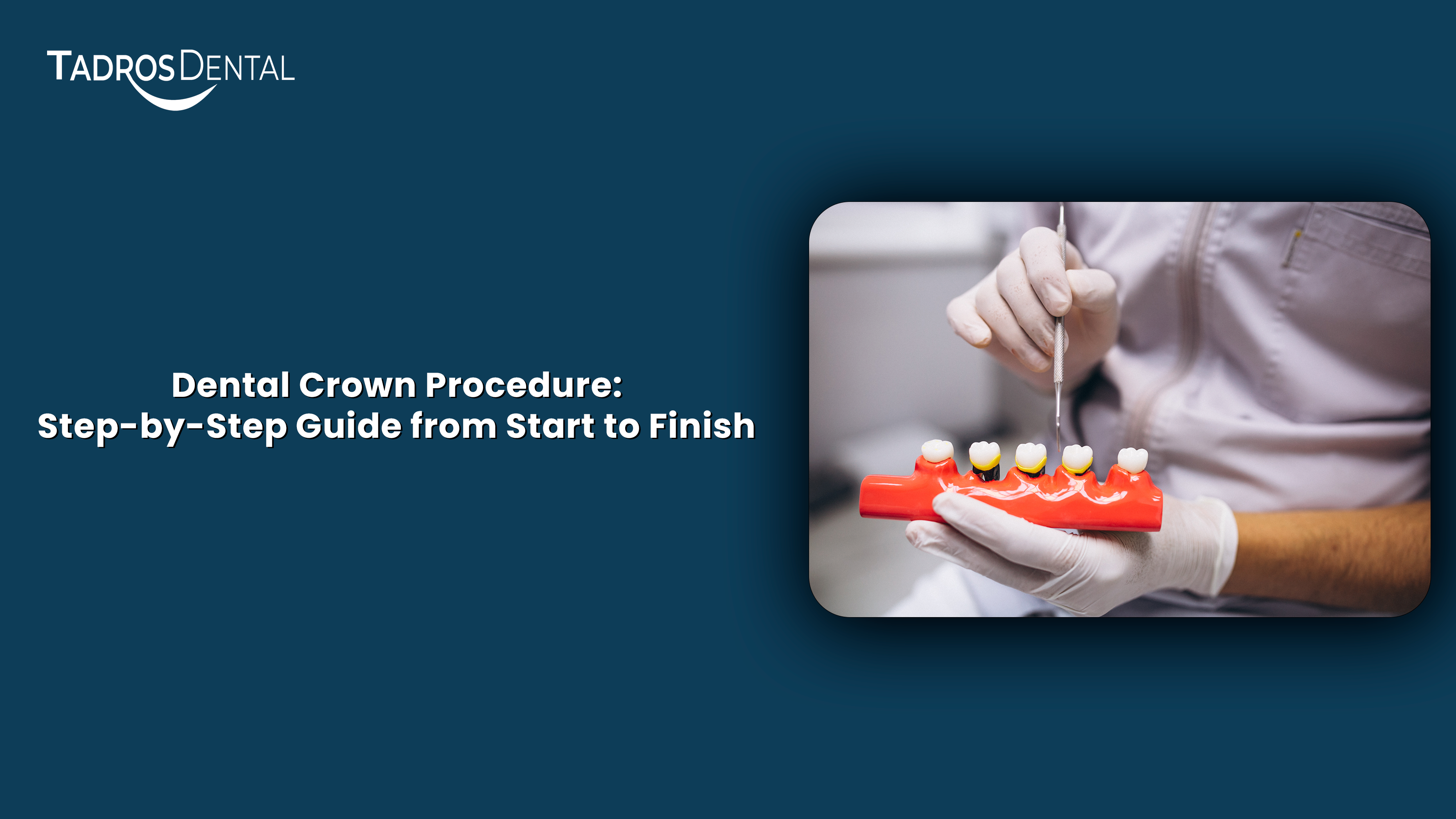
When your dentist says you should have a crown, you are likely to desire a clear understanding of what exactly happens and why. This blog breaks down the dental crown procedure step by step for a clear picture of the process from start to end. You will get to know all about your tooth being ready, about the temporary and permanent crowns production, and about cementation, and how to take care of your smile after.
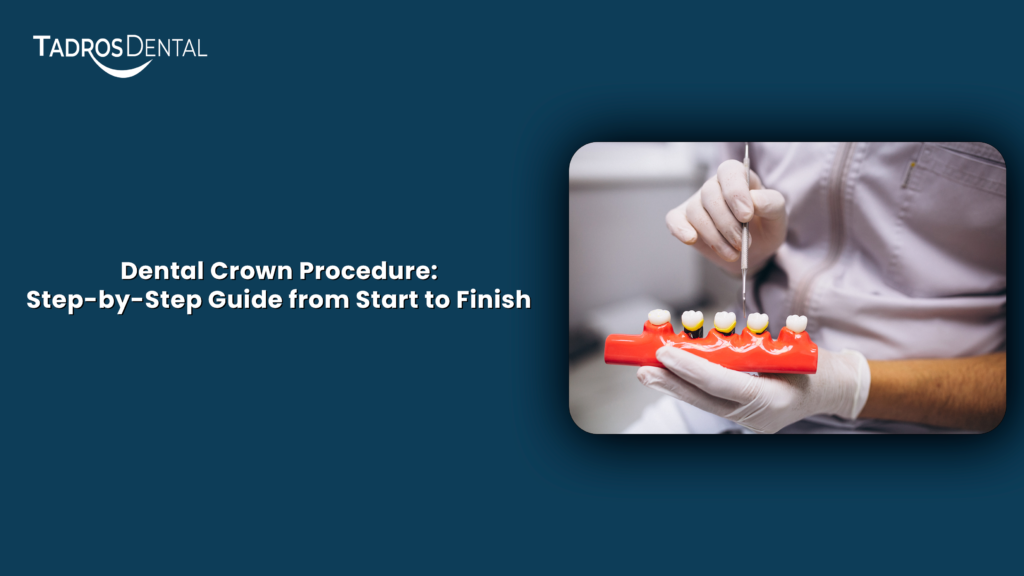
A crown is a custom cap that is used to cover the visible section of a tooth. It provides structure, support, and aesthetics where a filling won't suffice. The dental crown procedure gets rid of its weak spots, creates a strong core, and fits a crown that performs and appears as a natural tooth.
The visit begins with comfort. The area is numbed, so you feel vibration and water spray but not pain. Cotton rolls or a small isolation device keep the tooth dry and easy to see. Good isolation helps every part of the dental crown procedure work as planned.
Old fillings, cracks, and soft tooth are removed. The remaining structure is shaped into a smooth core with rounded edges. That shape lets a crown seat fully, resist rocking, and stay secure during chewing. Your dentist checks the reduction with measuring tools, so there is enough space for the crown material without making the tooth too small.
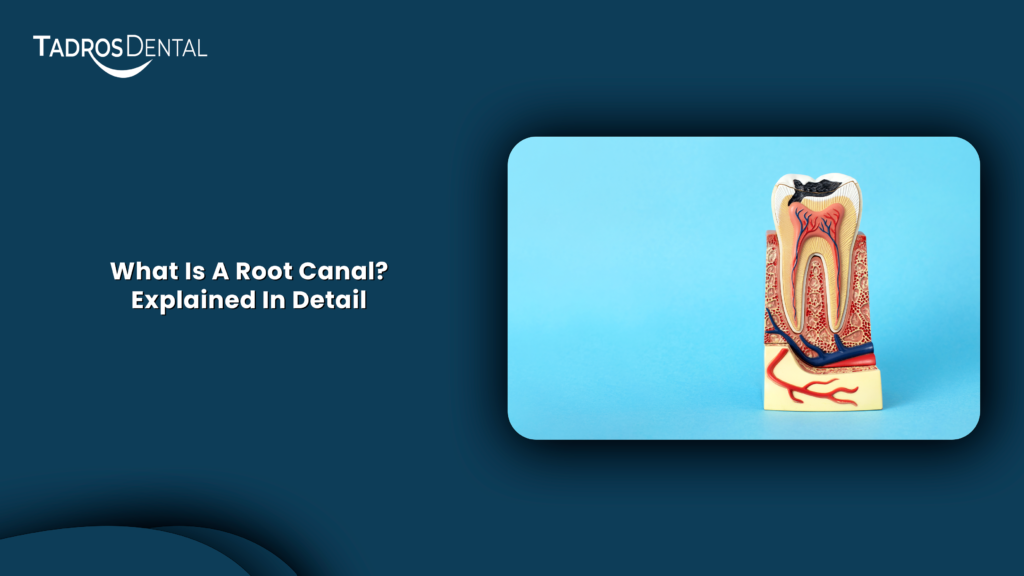
If a lot of structure was lost, a strong core material is placed to rebuild the center. After a root canal, a small post can be set inside the root to hold the core. This is not the crown. It is the support that lets the crown last. A steady core is the hidden hero of a reliable dental crown procedure.
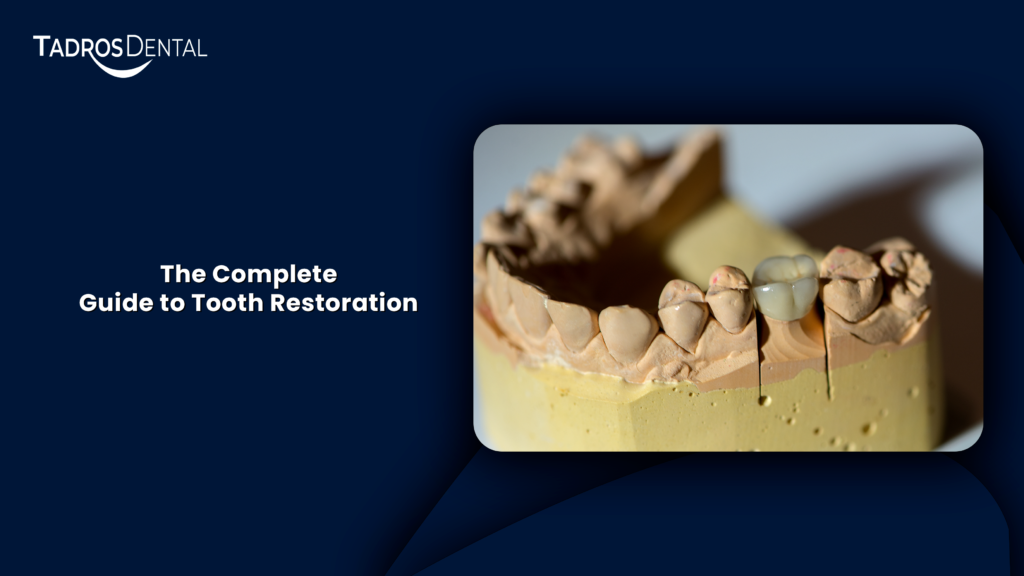
Your dentist captures the exact shape with a digital scan or a precise impression. The scan also includes neighbors and your bite, so the lab can set proper contact and height. Accurate records are the blueprint that prevents gaps, rocking, or a high bite during the next visit.
A temporary crown protects the tooth while the lab makes the final crown. It also keeps the gums shaped and the bite stable.
Care tips during this stage:
A well-fitting temporary helps the dental crown procedure finish smoothly and on time.
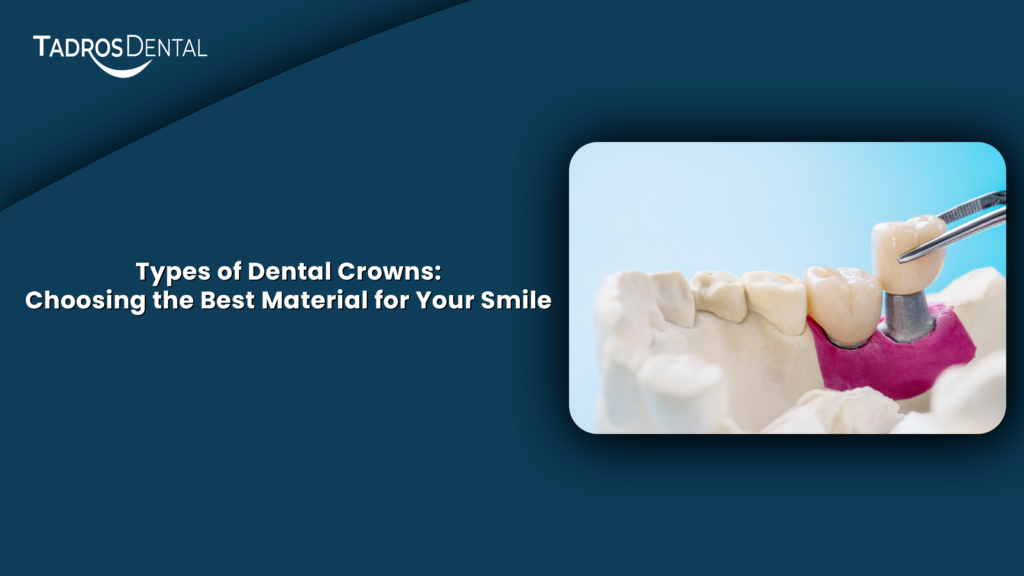
Your scan is used by a technician to make a crown that fits in the tooth and fits your bite. Ordinary ones include ceramic, zirconia, and gold. Ceramic and zirconia fuse with the surrounding teeth and are extremely powerful. Gold is durable and gentle on the opposing tooth, often chosen for back teeth. Shade is matched so the crown blends with your smile. The surface is polished and glazed to resist stains and feel like enamel.
Your second visit begins with a dry fit. The crown is placed without cement, and the seam where the crown meets the tooth is checked all around. Contacts with neighboring teeth are tested so food will not pack between teeth, but the floss still passes. Colored paper is used to check your bite in all directions. Small high spots are smoothed. This is a careful stage, and it is worth the time. A few minutes here can mean years of comfort later.
When the fit is perfect, the tooth and the inner surface of the crown are prepared. A modern adhesive or resin cement is used so the crown seats fully and stays put. Only additional cement will be scraped off, and the area will be washed and flossed, and the surface polished. At this stage, the dental crown process is over, and the crown is a part of your smile.
When numbness fades, begin with soft foods if the area feels tender. Rinse with warm salt water if the gum feels sore near the edge. Brush normally and floss with care around the margin. If your bite feels high after a day of normal chewing, return for a quick adjustment. That ten-minute visit protects the tooth, the crown, and your jaw muscles.
Crowns last longer when the edge where the crown meets the tooth stays clean. Good home care and regular visits make the biggest difference.
Some offices scan, design, and mill your crown in the office. You leave with the final crown the same day and skip the temporary. Other offices use a partner lab and finish in two visits. Same-day crowns are convenient and work well for many cases. Complex front teeth or special shades can still be better with a dedicated lab. Both paths are a complete dental crown procedure. Your dentist will guide you to the best choice for your tooth and timeline.
Ceramic crowns are popular for front teeth because they mimic natural translucency. Zirconia crowns offer high strength and can be layered for a natural look on visible teeth or used as solid zirconia on heavy bite areas. Gold crowns are time-tested on molars and are gentle to the tooth they contact. Your dentist will weigh bite force, location, and esthetic goals when recommending a material. The right choice gives you strength, comfort, and a match with your smile.
A few small issues can appear, and they are usually easy to solve.
With proper numbing, you feel pressure and vibration rather than pain. Tell your dentist if anything feels sharp so they can add anesthesia.
Yes, and you should. Clean edges keep the tooth healthy for the long term.
No. A crown restores the outside of the tooth. A root canal is only for an infected or inflamed nerve.
That depends on home care, bite forces, and material. With steady brushing, flossing, and routine checks, crowns can serve for many years.
Modern ceramics and good shade selection blend very well with natural teeth.
Ready for a comfortable, precise result with a well-planned dental crown procedure. Book a visit with Tadros Dental for a clear plan, gentle care, and a crown that looks and feels right.


Privacy Policy | Powered by Capline, a Top-Rated Solutions Provider for Dental Offices.