When a patient hears the word "crown," they immediately turn to the internet to find out more about the crown. However, they end up being confused with mixed information online. And on top of that, they get scary photos and different price tags that fail to explain what they actually want to understand. That confusion creates a real problem for dental practices, too. Patients delay treatment, question every step, and sometimes walk away even when the tooth can be saved.
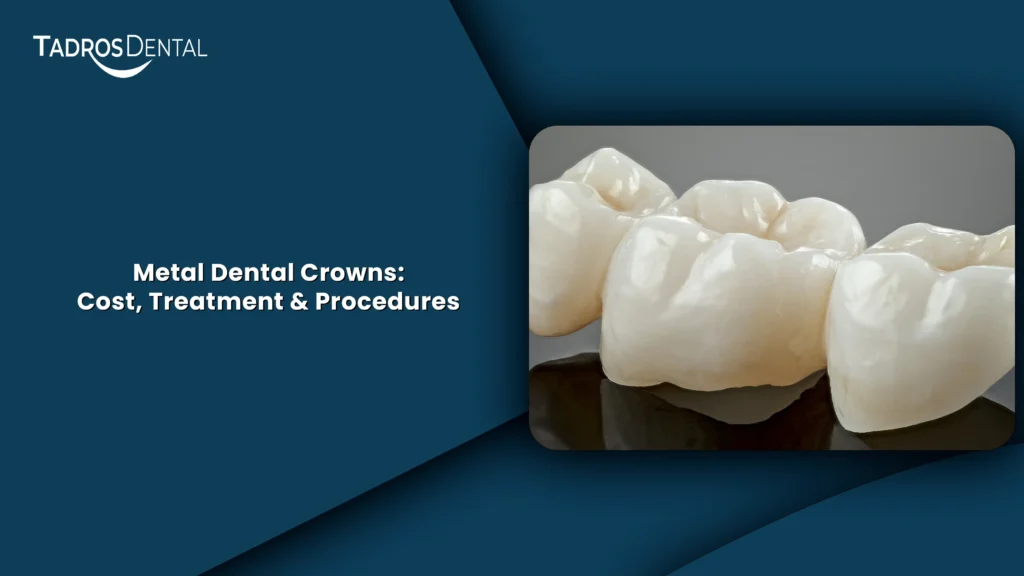
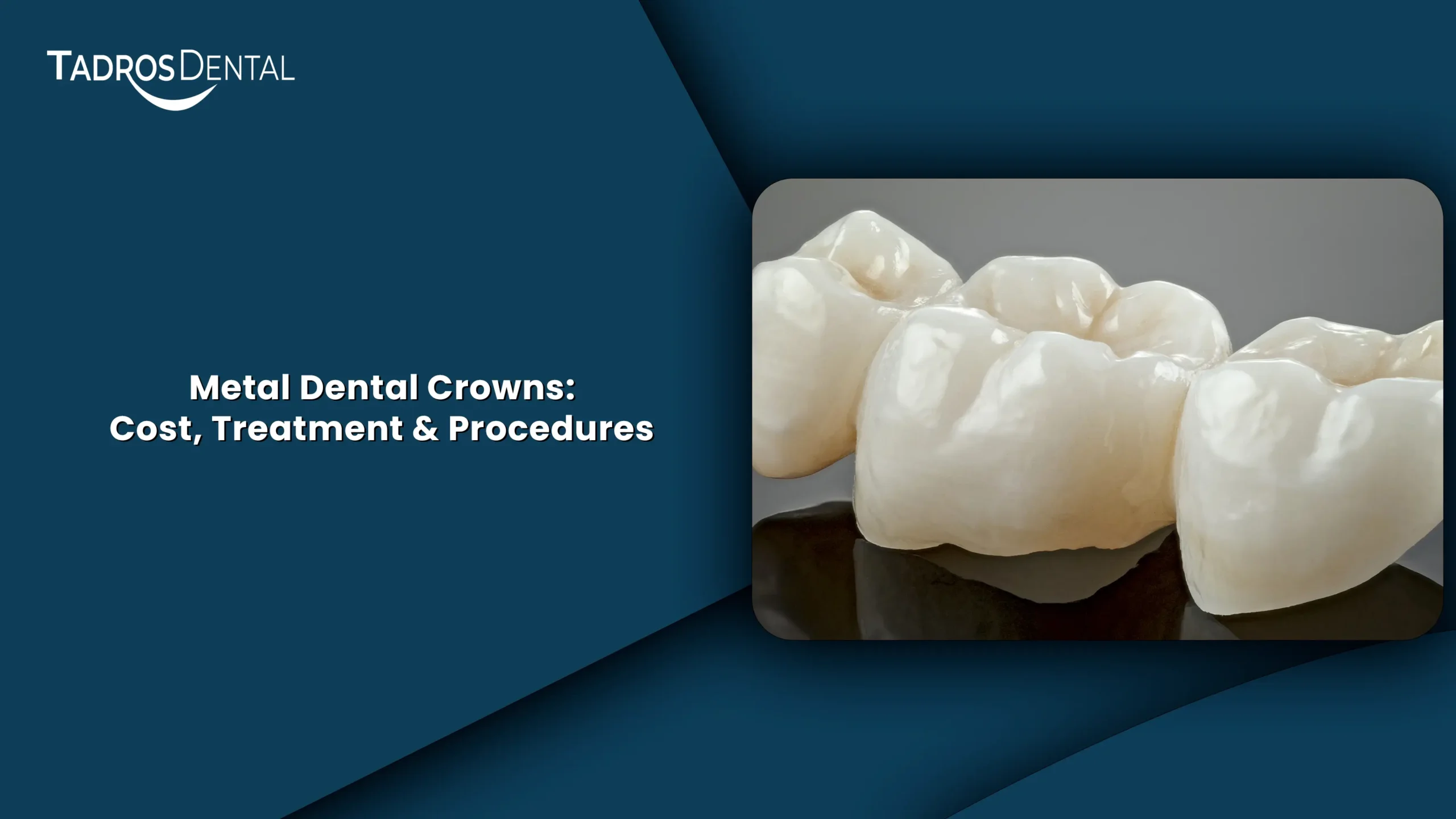
A metal tooth crown is a protective cover or cap made of metal that is fitted over a tooth. It protects the tooth, reinforces chewing function, and restores the tooth to normal operation. Imagine it is a strong protective shell that is placed on top of the tooth that has been custom-shaped by the dentist to fit your tooth. A metal dental crown is usually recommended for strength. It is not chosen because it blends in. It is chosen because it holds up extremely well, especially on back teeth that do most of the heavy chewing.
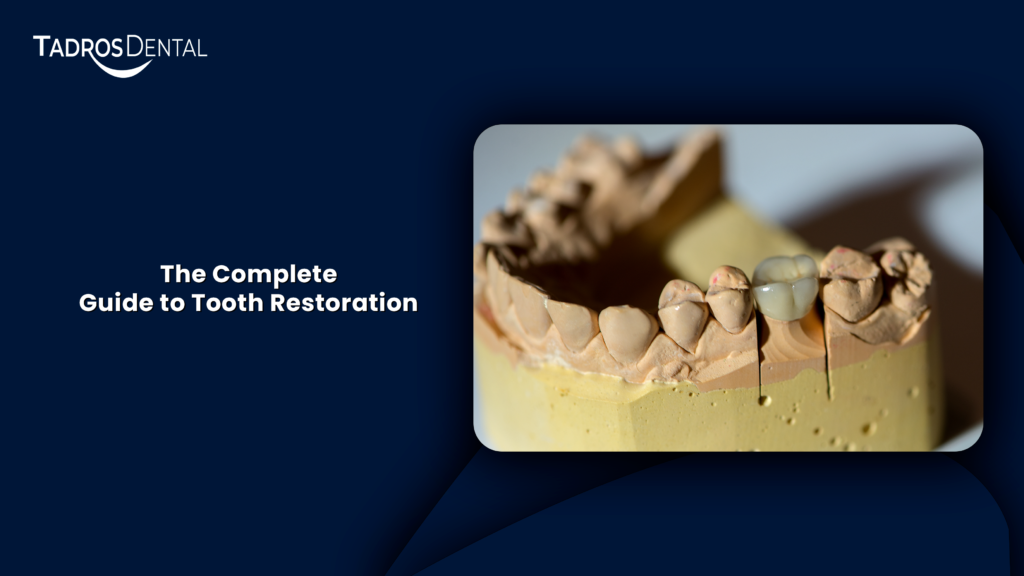
A severely damaged tooth normally requires a crown because it does not possess enough structure to be able to support itself. A filling works when the tooth has sufficient healthy structure to support it. A crown is usually safer in case the tooth is weak, cracked, or overfilled.
A dentist can recommend a metal dental crown due to the following reasons:
When dental professionals discuss metal crowns, they refer in general to two major categories, which are noble alloys and base metal alloys. These will be determined by your dentist depending on your bite, the l and placement of the tooth, the history of your dental condition.
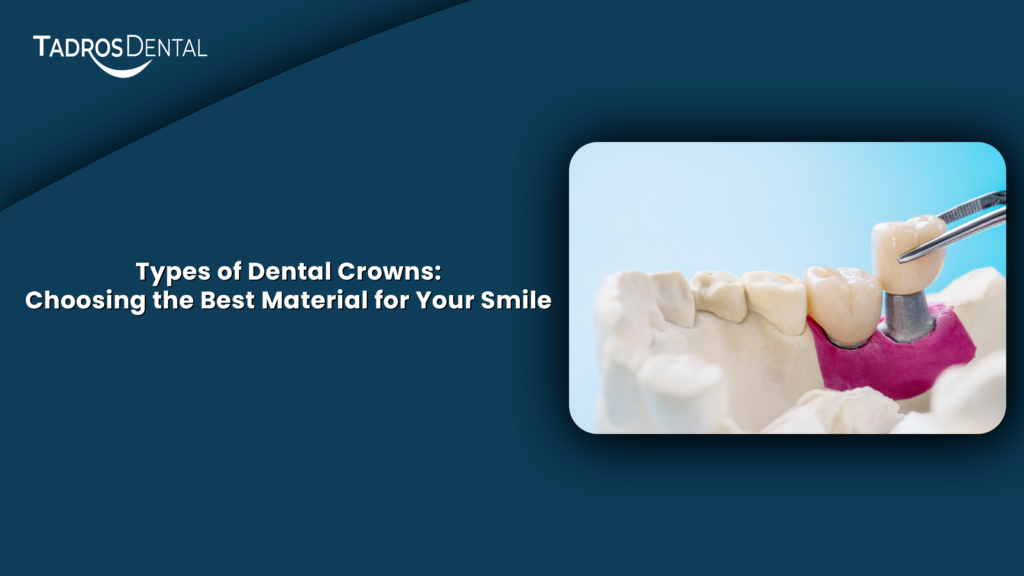
Also Read: Types of Dental Crowns: Choosing the Best Material for Your Smile
A metal dental crown is commonly used for various reasons. It solves a very specific problem: keeping a tooth strong under pressure.
A metal dental crown is not perfect for everyone. These are the main drawbacks.
Instead of focusing on random numbers you see online, it helps to understand what creates the total cost. The price of a metal dental crown is not only the crown itself. It also includes the planning, preparation, materials, lab work, and follow-up adjustments if needed.
Here are the biggest cost drivers.
A metal dental crown made from a gold-based alloy usually costs more than some base metal options because of material cost and lab preferences.
When the tooth is in a very poor condition, the dentist might be required to restore it initially, with a core buildup, so it would alter the overall treatment price prior to the placement of the crown.
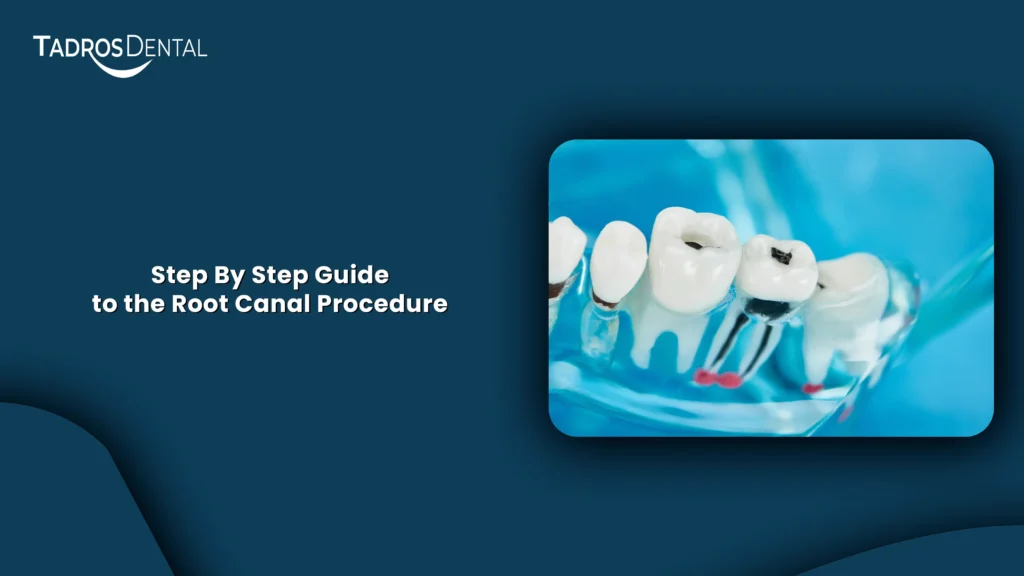
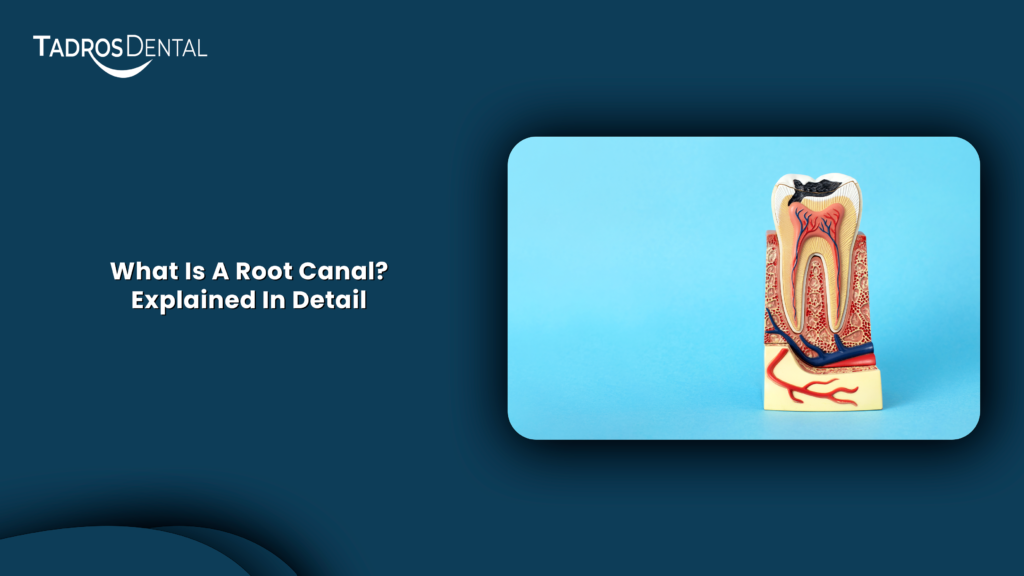
It may take a root canal, gum treatment or removal of decay in the tooth before it is safe to perform a metal crown.
Some offices use traditional impressions, others use digital scanning. The lab process and craftsmanship affect the final fee.
Many plans treat crowns as a major service. Coverage depends on deductibles, annual maximums, waiting periods, and whether the crown is considered medically necessary. A pre-treatment estimate usually helps patients know what to expect.
Most metal dental crown treatment happens in two visits. Some offices can do it faster with in-house technology, but the classic approach is two appointments.
Step 1: Exam and planning: The dentist examines the tooth, the bite, and the gums. They seek cracks, structural damage, and indicators that the nerve will be swollen or infected.
Step 2: Numbing: Local anesthesia makes you comfortable during the process.
Step 3: Shaping the tooth: The dentist removes weak parts and forms the tooth in such a way that the crown will fit in. Accurate contouring prevents leakage and further tooth decay.
Step 4: Impression or digital scan: The office takes an impression or digital scan of your bite so the lab can create a properly fitting crown..
Step 5: Temporary crown: The final crown is made of metal and is produced by the lab, after which a temporary crown safeguards the tooth. You can be advised not to eat sticky foods on that side since temporary crowns may loosen.
Step 1: Remove the temporary: The dentist removes the temporary crown and cleans the tooth.
Step 2: Try in the crown: The dentist gets to test the fit of the metal crown and shapes the edges, the connection to the adjacent teeth, and its placement on the tooth.
Step 3: Check the bite: This step is crucial. When the crown is excessively high, it will result in soreness or pain. The dentist will be adjusting the crown until it becomes natural.
Step 4: Cement the crown: When it looks like all is well, the dentist cements the metal crown in position and removes all the extra cement from it.
Step 5: Final instructions: The dentist will prescribe to you what to eat, how to brush around the crown, as well as what indicators ought to make you make a call.
During the appointment, you should not feel pain because the tooth is numb. After the numbness wears off, mild soreness is normal for a short period. Some people notice gum tenderness where the dentist worked near the gumline.
Call the office if you notice any of these:
There is no exact expiration date. A metal dental crown can last many years when it fits well, and you keep the area clean. It may need replacement if:
Metal dental crowns are secure and quite convenient in such cases as teeth against back teeth, which are often the subject of heavy treatment. It becomes less stressful to know the steps, the levels of comfort it should expect, and the cost drivers that are predominant in the decision-making process.
Having difficulty in determining whether or not a metal dental crown is the best answer to your tooth problem? Reserve a test at Tadros Dental and receive a clear plan that suits your bite and fits your budget as well as your comfort.