Dental practices often have to deal with frightened patients and sometimes confused patients who end up with last-minute cancellations due to the misinformation found online about the root canal treatment. Such confusion slows down the dental appointment and imposes stress on your front office and clinic team. This blog solves that by describing the root canal process in an easy, step-by-step manner that you can explain to patients so they understand what will be done, why, and what will come after.
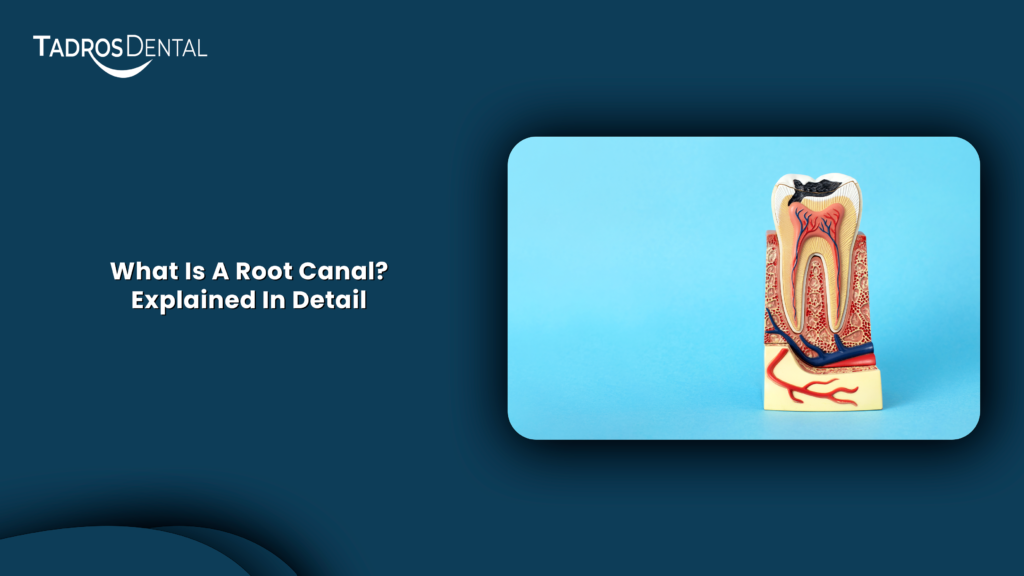
A root canal is a dental procedure that is performed to save a tooth in cases where the soft tissue within a tooth (the pulp) is inflamed or infected. The process involves the removal of the damaged tissue, cleaning of the interior canals, and filling the tooth to avoid new bacterial infections.
When the bacteria enter the pulp, root canal treatment is typically required. It may occur due to extreme decay, a crack, a chip, or a dental trauma. Once the bacteria invade, the pulp becomes swollen and rots/infected, which may lead to pain, irritation, or infection. A root canal may be suggested by dentists due to the following reasons:
The patient in a more complex case can be referred to an endodontist who specializes in the treatment of the root canals.
Most preparation is easy and basic:
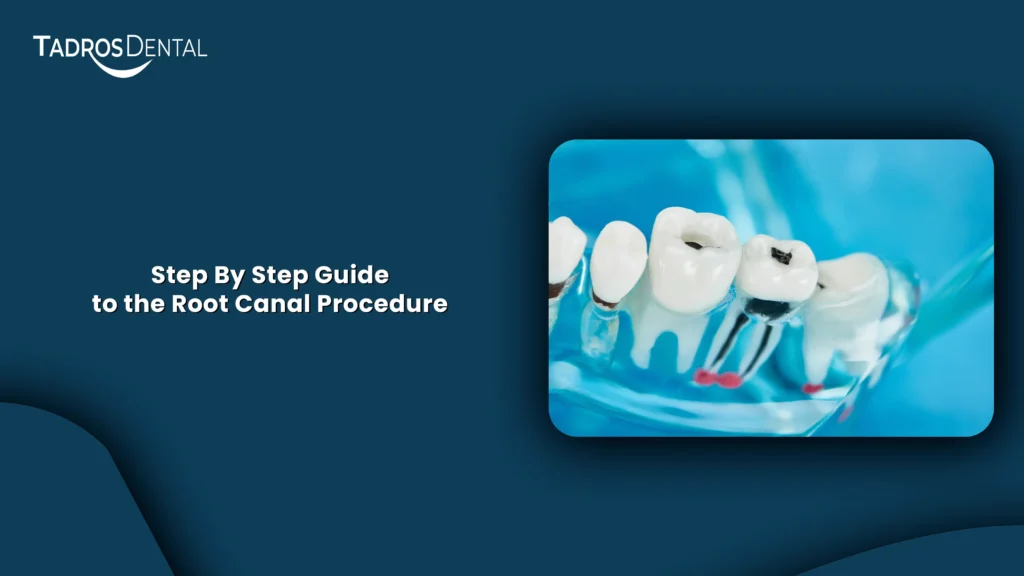
The standard procedure of root canal care is explained below.
The dentist/endodontist examines the tooth, asks whether he/she experiences any pain and sensitivity, and gets an X-ray. This will assist in validating the fact that root canal treatment is the correct treatment and reveal the root shape.
A local anesthetic is applied to ensure that it is comfortable for you. Is it numb in the tooth region? You are awake.
To ensure that the tooth remains clean and dry, a dental dam is a thin protective sheet that is used to cover the tooth during the treatment. This is a vital aspect of infection prevention as well as keeping saliva away from the tooth. .
The top of the tooth is treated in such a way as to create a small hole through which the dentist can access the pulp and canal spaces.
After the tissue has been removed, the canals are then cleaned and shaped in the right way to be sealed accordingly. Bacteria are reduced using disinfecting solutions.
Once the tissue is removed, the canals are then cleaned and shaped in a proper manner so as to be sealed appropriately. Reduction of bacteria is achieved by the use of disinfecting solutions.
After the inside has been cleaned and molded, the canals are filled and sealed with a rubber-like substance to aid in preventing reinfection.
A filling is placed to close the opening made at the top of the tooth. Sometimes this is a temporary filling first, then a final one after follow-up.
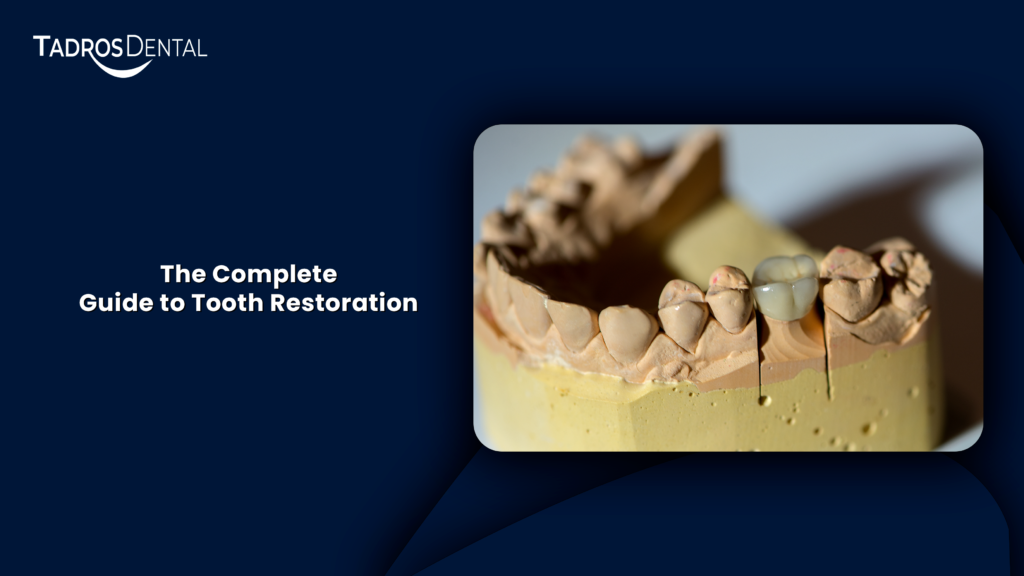
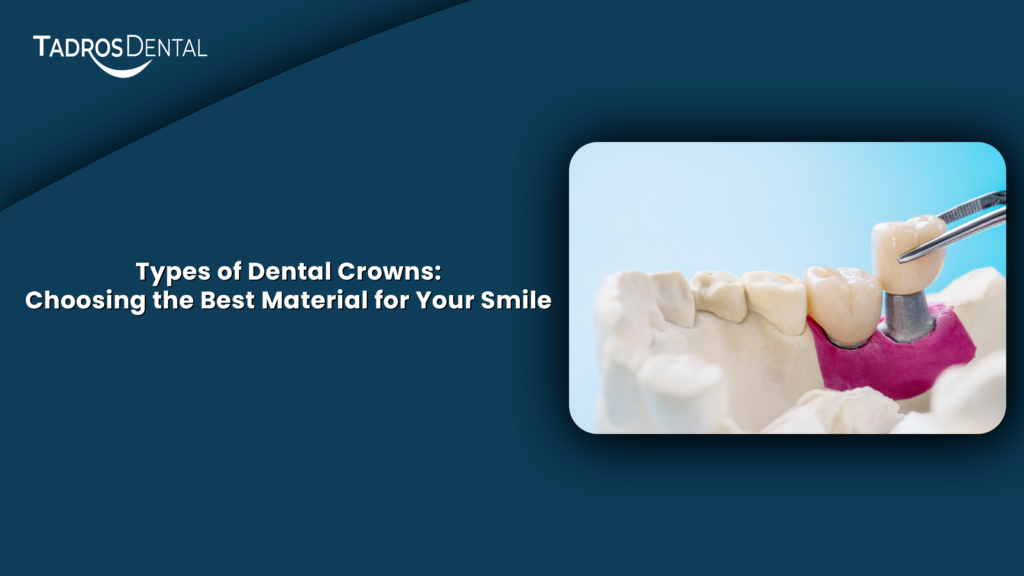
Following root canal treatment, most teeth require a final restoration, typically a crown, to avoid cracking and regain all the chewing function. Your dentist would inform you about the necessity of a crown, depending on the tooth and your bite.
The root canal process time can change based on:
In many cases, it can be completed in one visit. In other cases, a follow-up visit is needed, especially if the tooth is very inflamed or complex.
With modern techniques of numbing, most people feel pressure, not pain, during treatment. A little post-treatment discomfort is normal due to the possibility of soreness of tissues near the tooth, which might have been caused by the infection and the cleaning procedure. This tends to get better within the succeeding days.
After a root canal, patients may notice:
Contact your clinic if the patient experiences:
Root canals are not about “doing something extra.” They are concerned with saving a tooth that otherwise continues to hurt, cause ongoing pain, or eventually require extraction. Fear is eliminated, and it becomes a lot easier to make the decision when the patients know the steps.
Need expert dental care you can trust? Book your visit with Tadros Dental today.


Privacy Policy | Powered by Capline, a Top-Rated Solutions Provider for Dental Offices.