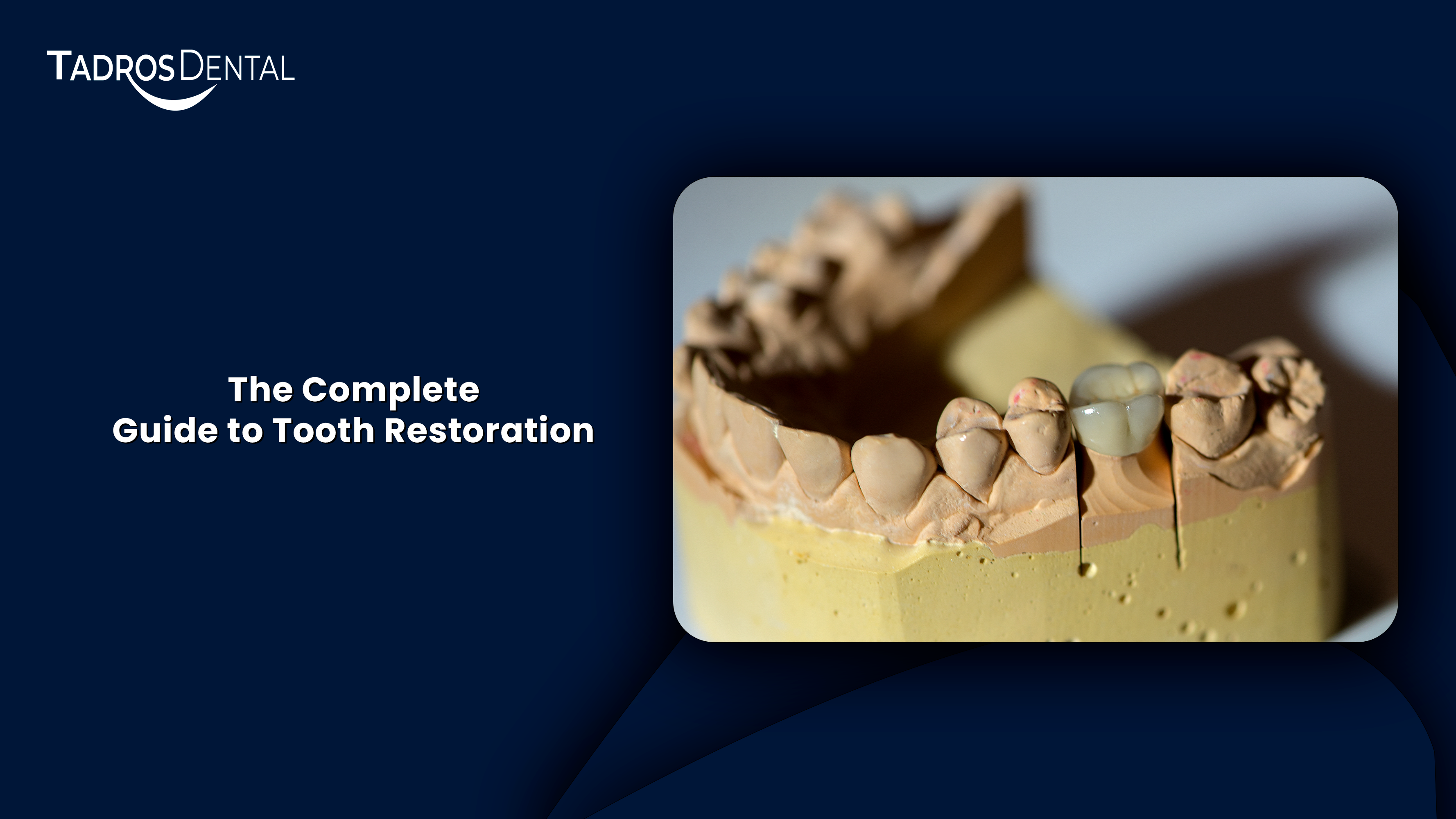
When people look for help with their broken, painful, worn, or missing teeth, they land on Google’s pages that go straight to procedures without explaining the ‘why’ or the ‘what next’ of the restoration process.
For dental practices and dental brands, the complexity of procedures can lead to lost appointments, delayed treatment plans, and uncertain patients. In this blog, we will break down the tooth restoration process in the simplest way possible.
It's a dental procedure that basically focuses on repairing or replacing your broken teeth so that you can chew, speak, and smile without discomfort. That’s the essence of dental restoration: returning a tooth to normal function or replacing it when that is no longer possible. This process you may hear dentists refer to as restorative dentistry. That range includes care such as fillings, crowns, bridges, implants, and dentures. Function first; looks sometimes follow as a bonus.
A broken tooth is not just an aesthetic problem. Actually, any small crack or cavity problem can affect your ability to chew and eat. Untreated damage can lead to these issues:
The point of tooth restoration is to stop the problem from growing and to make daily life easier again.
There is no one best treatment for everyone. A dentist usually looks at three things before recommending teeth restoration:
If most of the tooth is strong, a simple repair may work. If the tooth is weak, heavily filled, or damaged, you may need stronger coverage.
Back teeth take more force. Front teeth show more when you smile. The location matters for both strength and appearance.
When the tooth is missing, then the question changes to what to replace the damaged teeth (actually the missing teeth) with in terms of bridges, implants, or dentures.
This section is about repairing or restoring damaged teeth while the tooth is still in your mouth.
A filling is often the first step to restoring teeth when the damage is limited. Fillings are used when a cavity or small broken area can be cleaned and sealed. The dentist removes the decay, then fills the space so food and bacteria do not keep getting inside.
Bonding uses tooth colored material to patch a chip, close a small gap, or smooth rough edges. It is often used for front teeth when the bite force is lighter.
When a filling would be too large but a full crown feels like “too much,” an inlay or onlay can repair a larger portion of the tooth while preserving more natural tooth structure.
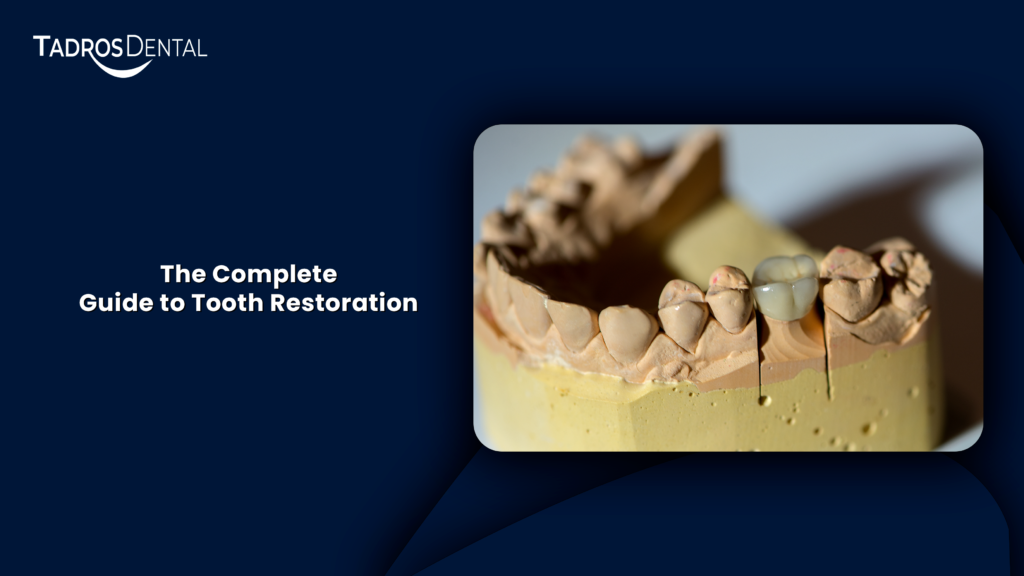
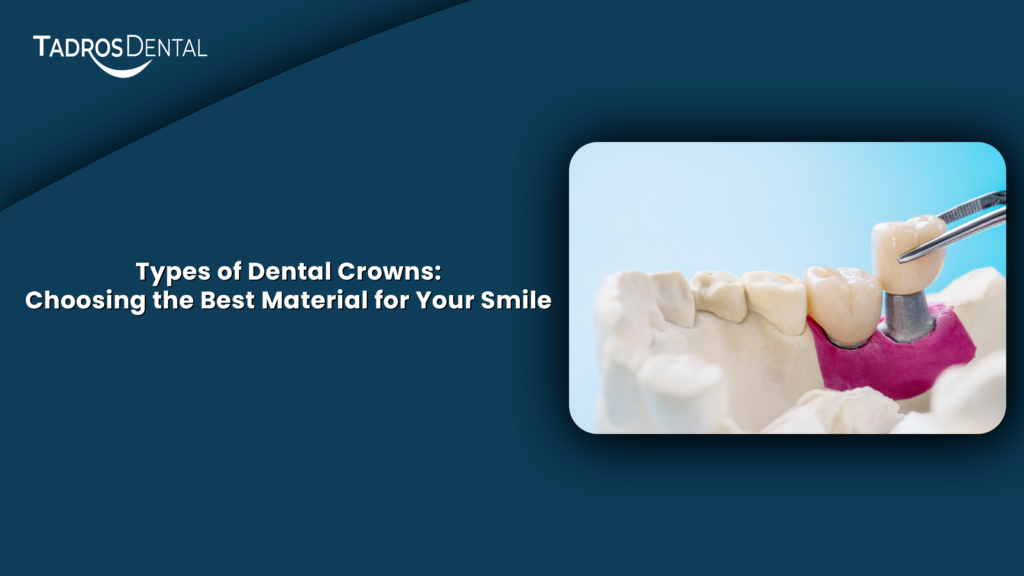
A crown acts as a cap for the tooth. Dentists use it for large cavities, cracks, or old fillings that no longer provide support. Crowns are among the most common restorations, allowing weakened teeth to function properly while improving shape and appearance.
A dental bridge is an excellent way to replace one or more missing teeth by using the teeth beside the gap for support. This further helps the patient to chew properly, while preventing neighboring teeth from shifting into the area with the missing tooth.
Veneers are the shells placed on the front of the teeth. They may help cover chips and scars on the front teeth, although people often believe they are completely cosmetic procedures.
Now, let’s talk about options when a tooth is missing, and you need to replace damaged teeth in a practical way.
A bridge replaces one or more missing teeth by anchoring an artificial tooth to the adjacent natural teeth. It may assist with chewing and keep teeth in place, preventing them from shifting towards the vacant area. A dental bridge is a sound option when the teeth adjacent to the ones requiring restoration are already crowned, or an implant cannot be installed.
An implant is a post (titanium screw) inserted in the jaw that holds a replacement tooth. It is applied as a substitute for a lost tooth without the support of adjacent teeth.
To understand implants simply, the process typically happens in stages: the placement, which occurs as the bone binds to the implant, and then the tooth is placed carefully.
Important note: Implants are medical equipment; you need to inquire about the implant system used, your health condition, and prognosis.
Dentures: removable replacement for several or all teeth
Dentures can replace many missing teeth. They are removable and custom-made and can restore basic chewing and appearance when multiple teeth are gone.
For some people, dentures are a practical step in dental restoration, especially when many teeth are missing or when surgery is not desired.
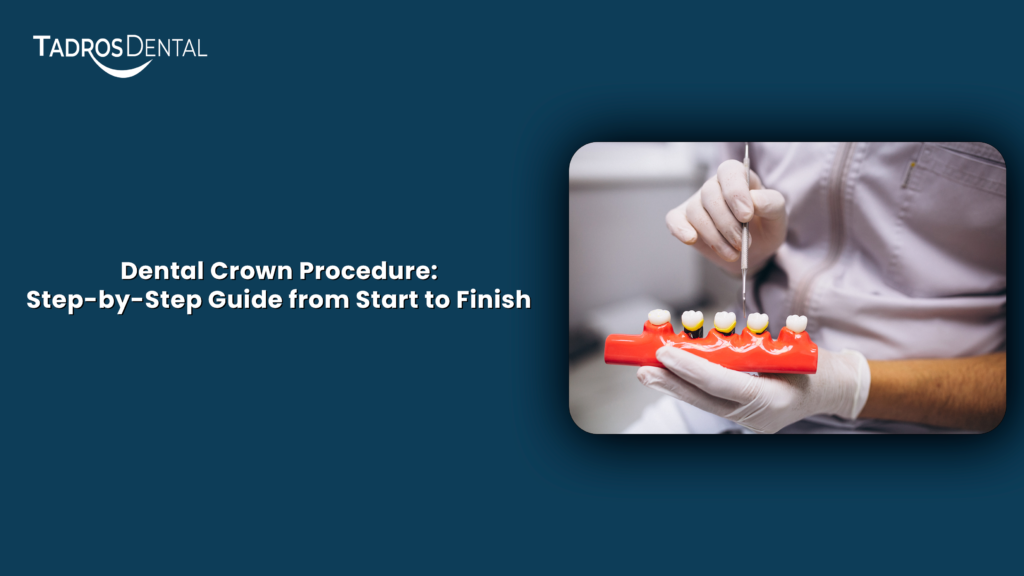
Most treatments follow a simple flow:
Your dentist will examine your teeth, gums, and bite during the first visit, likely including X-rays and a review of your dental history. After noting all this, they will recommend the best dental procedures and alternatives.
This may refer to cleaning decay, or creating a tooth that fits into a crown, or creating a location where a tooth is going.
Even a good restoration can feel “off” if the bite is high. Dentists adjust it so that chewing feels natural.
In this step, your dentist will advise you on things that need to be avoided, dietary restrictions, and changes. They will also guide you on how to clean your teeth safely and when to return to them for further.
Dentists use numbing medicine for most procedures. Afterwards, mild soreness can happen, especially after deeper work. If pain is sharp or lasts, call the office.
Modern materials and careful shaping usually make restorations blend well. For front teeth, the dentist may spend extra time matching shade and shape.
Waiting often turns a small repair into a bigger one. A small cavity can grow. A crack can deepen. A missing tooth can cause neighboring teeth to shift over time. That is why early tooth restoration usually saves time and stress later.
Good tooth restoration is about choosing the simplest option that restores comfort, strength, and confidence, then taking care of it every day. Do your research and ask your dentist the right questions to opt for the right procedure.
If you need help or want to know more about the tooth restoration procedure. Call Tadros Dental today or visit our clinic; we’re here to help you.


Privacy Policy | Powered by Capline, a Top-Rated Solutions Provider for Dental Offices.