Crooked or crowded teeth used to mean one thing: metal brackets and a mouth full of wire for two years. That is no longer the only path. Here are the main teeth straightening options worth knowing about before your next dental visit, including which ones actually move teeth and which just change how they look.
Orthodontic treatment refers to dental appliances or processes designed to move teeth into a healthier, more even position over time.
Not every option on this list works the same way. Some physically shift your teeth using steady pressure over months. Others simply cover the front of a tooth to create the appearance of straighter teeth without moving anything underneath.
Knowing the difference matters, especially if your goal is correcting a bite issue rather than just improving how your smile looks in photos.
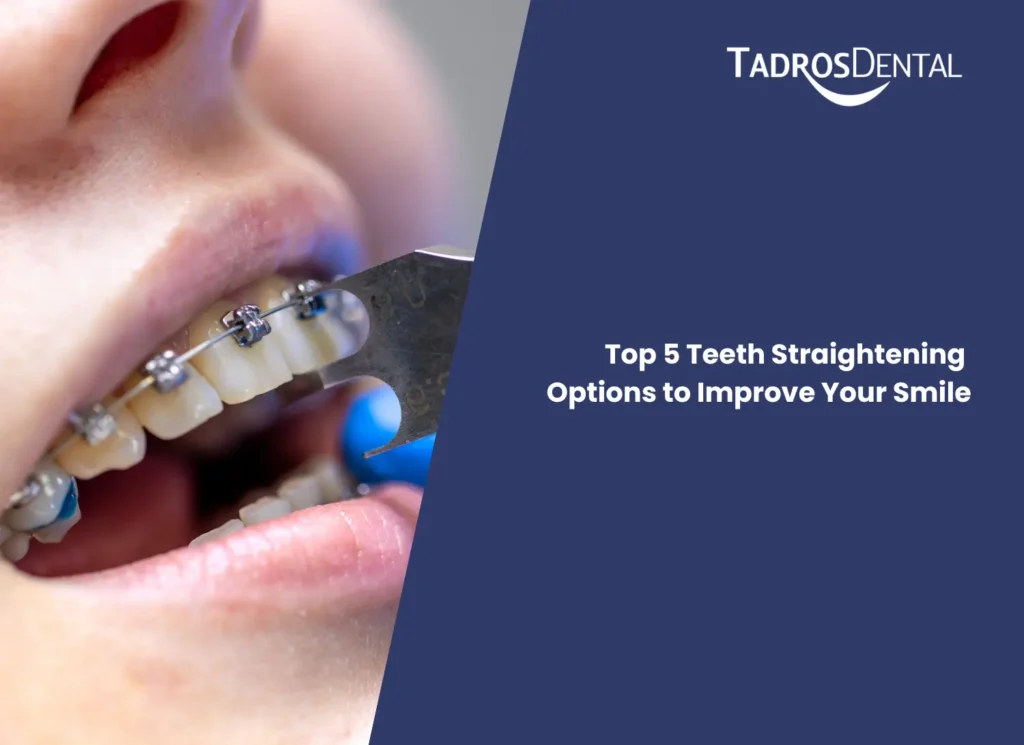
Metal braces remain the most common and most affordable option for straightening teeth.
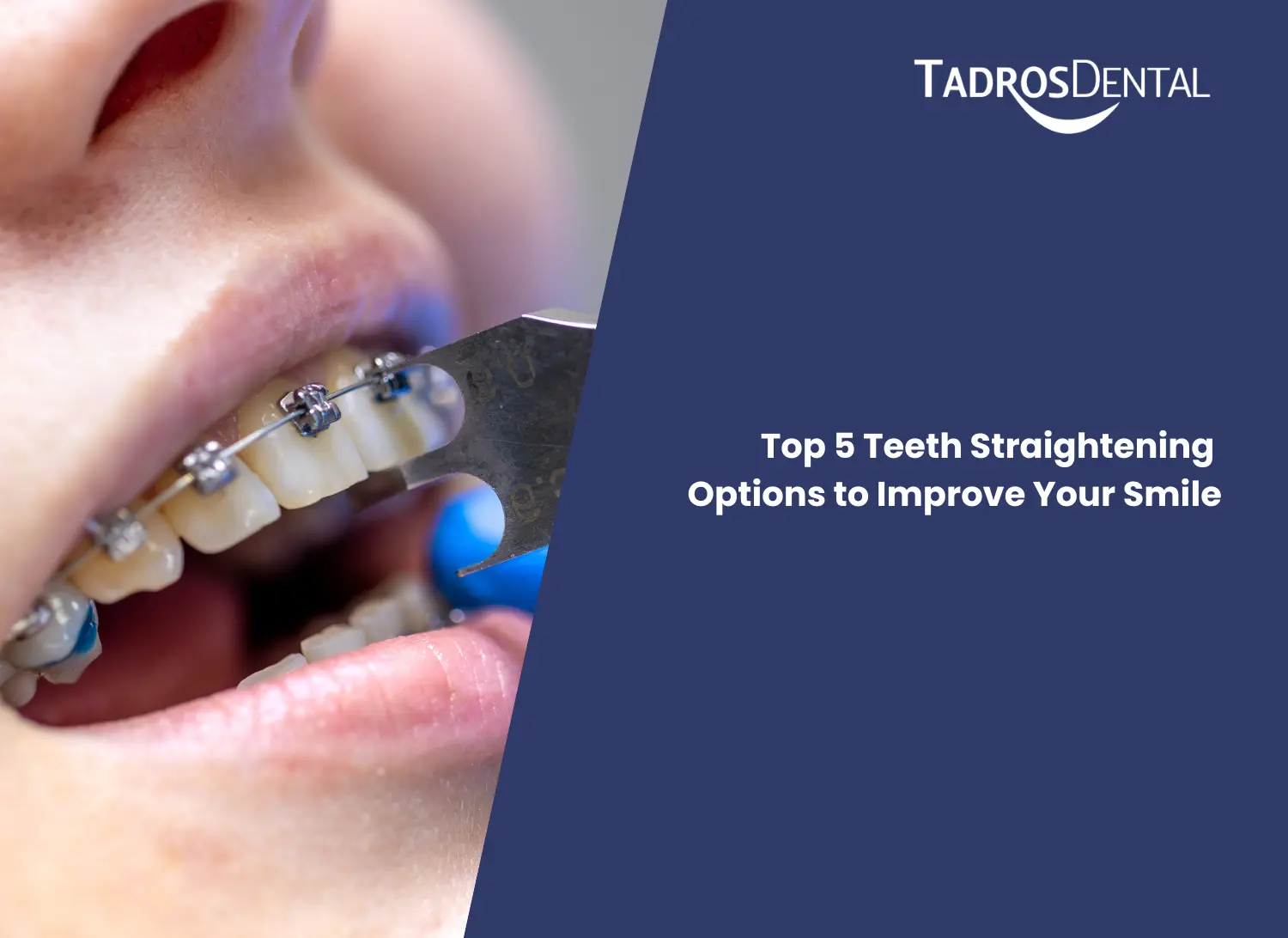
Stainless steel brackets are bonded to the front of each tooth, connected by a wire that your dentist or orthodontist adjusts periodically to guide teeth into place.
According to GoodRx, metal braces typically run $3,000 to $7,000, making them the lowest-cost fixed option. They also handle complex bite and alignment issues that some newer methods cannot.
Ceramic braces work the same way as metal braces, just with clear or tooth-colored brackets instead of stainless steel.
This makes them noticeably less visible, which is why many adults and older teens choose this option.
The tradeoff is cost and a bit of extra care: ceramic brackets cost more than metal, generally landing in the $3,500 to $8,000 range, and the clear elastic ties that hold the wire in place can stain from coffee, tea, or curry if you're not careful about diet and cleaning.
Lingual braces use the same bracket-and-wire system as metal braces, but everything is bonded to the back of your teeth instead of the front.
From across the room, or even up close during conversation, no one can tell you're wearing them. That level of invisibility comes at a real cost.
Lingual braces are custom-fabricated for each tooth and require specialized training to place, which pushes pricing to roughly $8,000 to $13,000, several times more than metal braces.
Most patients also notice a temporary lisp for the first couple of weeks while the tongue adjusts to the new hardware along the inside of the teeth.
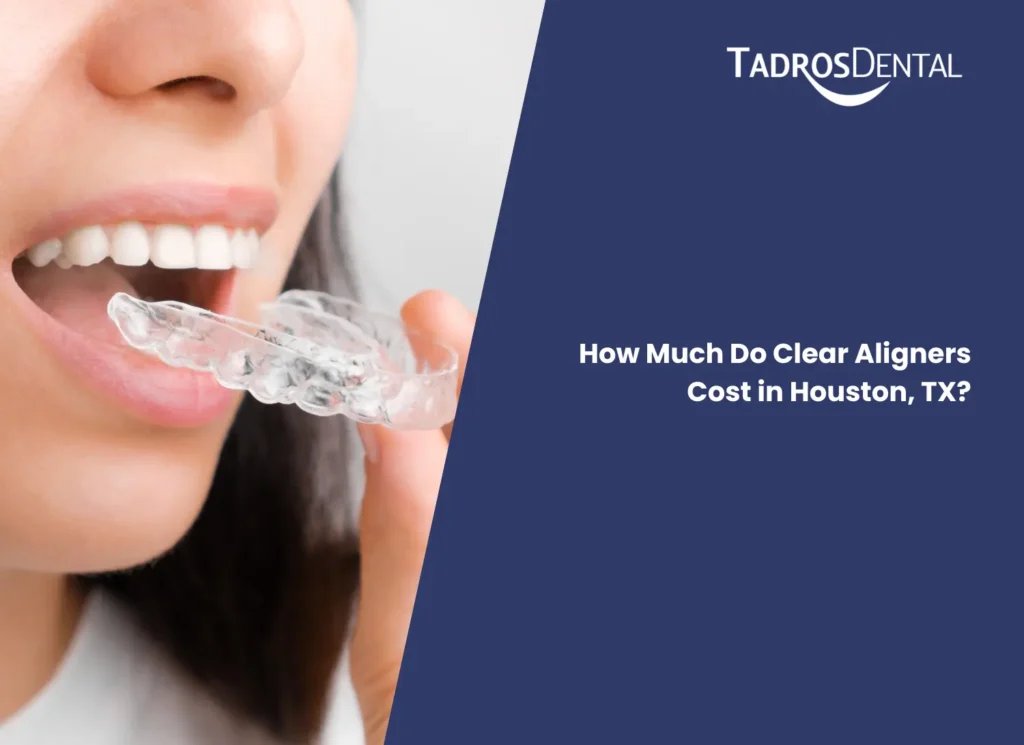
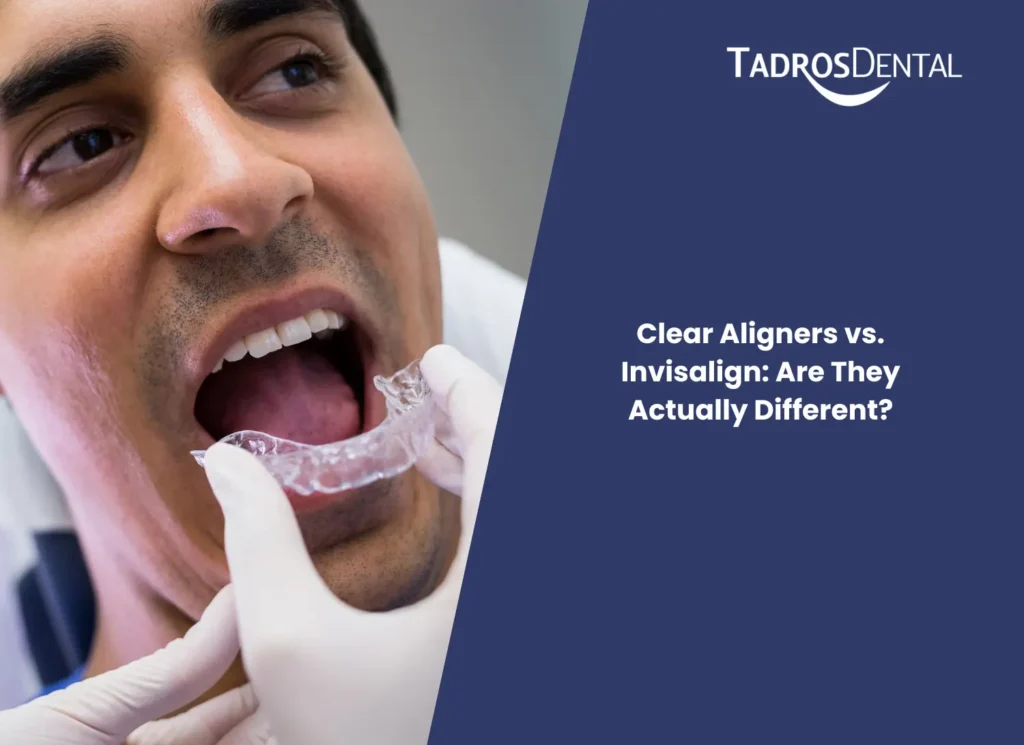
Clear aligners are a series of custom, removable plastic trays that gradually shift teeth into position, with each set replaced every one to two weeks. Because they pop out for eating and brushing, daily oral hygiene stays simple, and there is no metal to catch on your cheeks. Invisalign is the most recognized brand in this category, though many dentists also offer their own doctor-supervised clear aligner systems.
Nationally, clear aligner treatment averages around $5,108 without insurance, though pricing in Houston often runs lower, closer to $2,500 to $6,500 for a full course of treatment.
Clear aligners work well for mild to moderate crowding and spacing, though more severe bite problems sometimes still call for fixed braces.
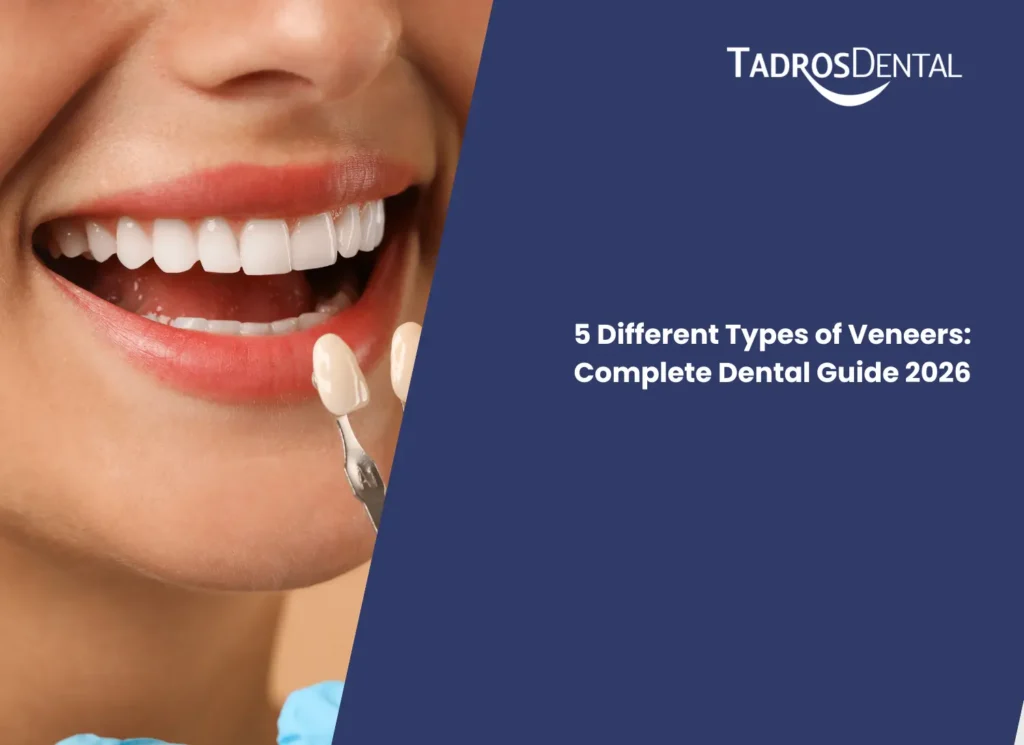
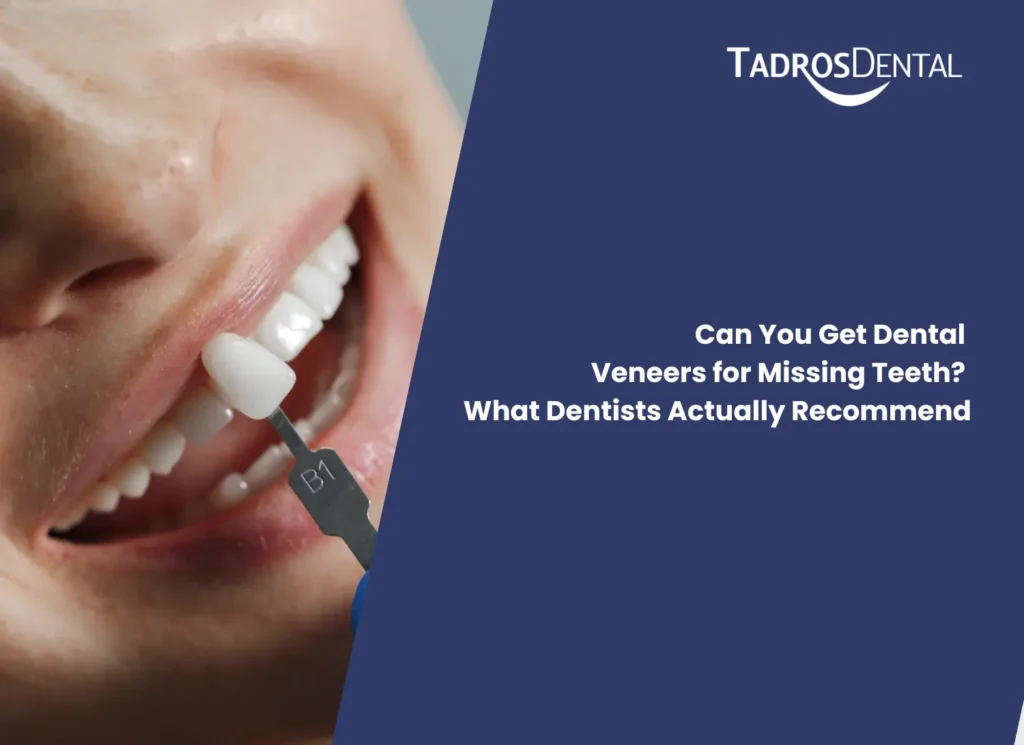
Veneers don't move teeth at all. A dentist bonds a thin porcelain or composite shell to the front of an existing tooth, which can make slightly crooked, gapped, or unevenly sized teeth look straighter without any orthodontic movement underneath.
This makes veneers a fast option, often finished in two visits instead of months, but it only works for minor cosmetic irregularities.
A tooth that's significantly rotated or a bite that doesn't line up correctly still needs an option that physically repositions teeth. Porcelain veneers typically run $925 to $2,500 per tooth.
| Option | Moves Teeth? | Typical Cost | Treatment Time | Visibility |
| Metal Braces | Yes | $3,000–$7,000 | 18-24 months | Most visible |
| Ceramic Braces | Yes | $3,500–$8,000 | 18-24 months | Subtle |
| Lingual Braces | Yes | $8,000–$13,000 | 18-24 months | Hidden |
| Clear Aligners | Yes | $2,500–$6,500 (Houston) | 6-18 months | Nearly invisible |
| Veneers | No | $925–$2,500 per tooth | 2 visits | Visible, but corrects appearance only |
Start by asking what you actually want fixed. If your bite is off or teeth need real movement, you're choosing between braces and clear aligners, with the decision usually coming down to budget, how visible you're willing to have treatment be, and how complex your case is.
If your teeth are already reasonably well-positioned and you just want a more even, polished look, veneers can get you there faster and without months of adjustment appointments.
At Tadros Dental in Houston, we start with a full exam before recommending anything. We offer doctor-supervised Clear Aligner Therapy in-house, and we can talk through whether veneers, a referral for braces, or a combination approach makes the most sense for your smile. You can book a consultation to get a personalized recommendation.
FAQs
Veneers are the quickest since they don't require tooth movement, often finished in two visits.
Adults can get any of these options. There's no upper age limit for orthodontic treatment as long as your teeth and gums are healthy enough to handle it.
Yes. Teeth tend to drift back toward their original position after any orthodontic treatment, so a retainer is typically recommended to protect your results.
No single option is universally best. The right choice depends on how complex your case is, your budget, and how much visibility during treatment matters to you.
Many PPO dental plans include some orthodontic coverage for braces and clear aligners, often $1,000 to $3,000 toward treatment. Veneers are usually considered cosmetic and are less likely to be covered.