A cavity may start as a small dark spot or mild tooth sensitivity, but it can become a bigger problem if it is left untreated. Once decay breaks through the outer layer of the tooth, it does not repair itself. A dental filling helps stop the damage, protects the tooth, and lets you chew normally again.
Still, many patients feel unsure when their dentist says they need a filling. They may wonder which material is best, how long it will last, whether it will show when they smile, and how much it may cost. The answer is not the same for everyone. The right filling depends on the tooth, the size of the cavity, your bite, your budget, and how natural you want the result to look.
According to the American Dental Association, the choice of filling material can depend on the size and location of the cavity, the patient’s oral health, cost, and appearance.
In this article, we’ve explained the main types of dental fillings, their pros and cons, average cost, and how each material is commonly used.
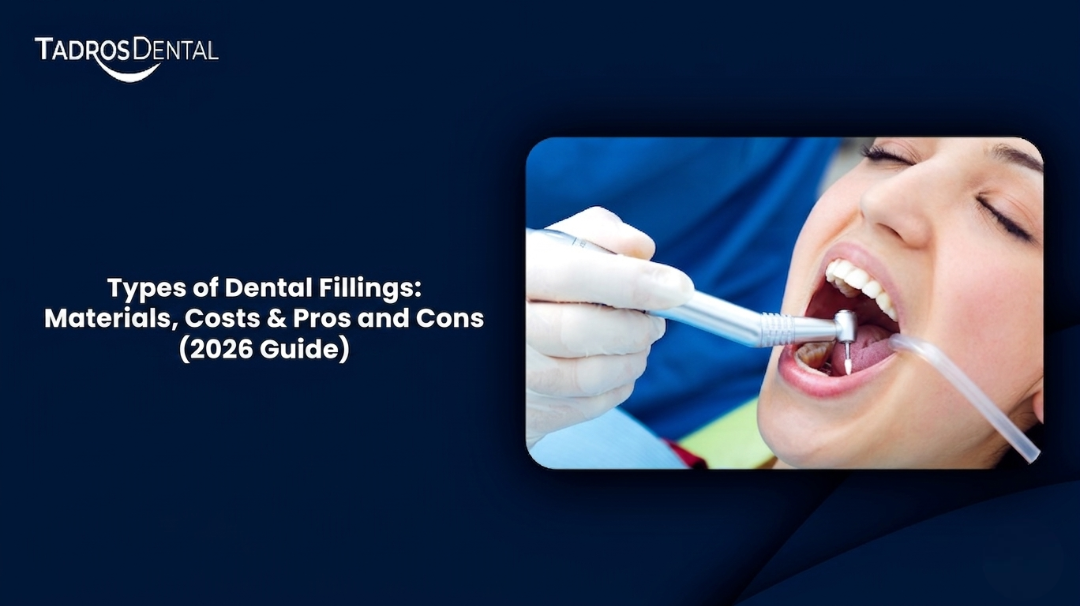
A dental filling is a treatment used to repair a tooth damaged by decay, small cracks, or wear. During the procedure, the dentist removes the decayed part of the tooth, cleans the area, and fills the space with a safe dental material.
A filling helps restore the tooth’s shape and strength. It also blocks bacteria from entering the damaged area again. Without treatment, a cavity can grow deeper and may lead to pain, infection, root canal treatment, or even tooth loss. Dental fillings are commonly used for the:
The goal is simple. A filling should protect the tooth, feel comfortable, and match the needs of that specific tooth.
There are different types of tooth fillings, and each material has its own use. Some look more natural. Some are stronger for back teeth. Some cost less. Others last longer but may cost more upfront.
Note: Price ranges can vary based on cavity size, tooth location, material choice, insurance coverage, and any extra treatment needed.
Amalgam fillings are also called silver fillings. They are made from a mix of metals and have been used for many years because they are strong and reliable. They are mostly used for back teeth, where chewing pressure is higher, and appearance is less important.
Average price range in Houston: $100 to $250 per tooth
Pros
Cons
Composite resin fillings are tooth-colored fillings made to blend with your natural teeth. The dentist can match the shade of the filling to your tooth, which makes this option popular for front teeth and visible areas.
Average price range in Houston: $125 to $350 per tooth
Pros
Cons
Ceramic or porcelain fillings are tooth-colored restorations that offer a natural look and strong support. They are often used for larger cavities, inlays, and onlays, especially when the patient wants better stain resistance and appearance.
Average price range in Houston: $300 to $1,500+ per tooth
Pros
Cons
Gold fillings are strong, long-lasting restorations often used for inlays and onlays. They are less common today because many patients prefer tooth-colored fillings, but gold is still valued for durability.
Average price range in Houston: $400 to $1,800+ per tooth
Pros
Cons
Glass ionomer fillings are made from acrylic and glass powder. They are not as strong as composite or amalgam, but they can release fluoride, which may help protect the tooth from future decay.
Average price range in Houston: $100 to $300 per tooth
Pros
Cons
Resin modified glass ionomer fillings are similar to regular glass ionomer fillings but include resin for better strength. They still release fluoride and are often used near the gumline, on baby teeth, or in areas with lighter biting pressure.
Average price range in Houston: $150 to $350 per tooth
Pros
Cons
Temporary fillings are used for short-term protection. A dentist may place one during emergency care, between root canal visits, or while waiting for a final crown, inlay, or onlay.
Average price range in Houston: $75 to $200 per tooth
Pros
Cons
Not every cavity can be repaired with a simple filling. When a tooth has more damage, but does not need a full crown, the dentist may suggest an inlay or onlay.
An inlay fits inside the grooves of the tooth. An onlay covers one or more raised points of the tooth, called cusps. These restorations are often made from ceramic, porcelain, gold, or strong composite material.
Inlays and onlays are useful when the tooth needs more support than a regular filling can give. They also help save more natural tooth structure compared to a full crown in many cases.
They cost more than standard fillings, but they can be a smart choice for larger cavities or older fillings that need replacement.
|
Filling Material |
Average Cost | Average Lifespan | Durability |
|
Amalgam |
$100 to $250 | 10 to 15 years | Strong |
|
Composite resin |
$150 to $300 | 5 to 10 years | Good |
|
Ceramic or porcelain |
$300 to $1,500 plus | 10 to 15 years or more | Strong |
| Gold | $400 to $1,800 plus | 15 to 30 years |
Very strong |
| Glass ionomer | $100 to $300 | 3 to 7 years |
Moderate |
| Resin modified glass ionomer | $150 to $350 | 5 to 8 years |
Moderate |
| Temporary filling | Varies | Short-term only |
Low |
Also Read: Preparing for a Dental Filling: Everything You Should Know Before Your Appointment
The best filling is not always the most expensive one. It is the one that fits the tooth and the patient. Understanding the cost of tooth filling beforehand can also help you compare different materials and choose an option that matches your dental needs and budget.
Ask your dentist these questions:
For front teeth, composite resin is often preferred because it blends with the smile. For back teeth, the dentist may compare composite, amalgam, ceramic, or gold based on the size of the cavity and bite pressure. For root surface cavities or pediatric cases, glass ionomer may be useful because it releases fluoride.
The cost of fillings in the US can change from one office to another. It also depends on the tooth, the size of the cavity, and the material used.
In general, amalgam is usually the lowest cost option. Composite costs more because it is tooth colored and takes more time to place. Ceramic and gold are usually the most expensive because they often involve lab work or advanced materials.
Insurance can also affect your final cost. Some plans cover basic fillings, but they may only pay up to the cost of amalgam for back teeth. If you choose a tooth colored or ceramic option, you may have to pay the difference.
Before treatment, ask your dental office for a cost estimate. A clear estimate can help you understand what insurance may cover and what you may need to pay out of pocket.
You should book a dental appointment if you notice tooth sensitivity, a dark spot, pain while chewing, or a chipped tooth. A cavity may not hurt in the early stage, so waiting for pain is not a good idea.
A dentist can check the tooth, take X-rays if needed, and explain which filling material may work best for you. Small cavities are often easier to treat. Larger cavities may need an inlay, onlay, crown, or root canal if the decay has gone deeper.
At Tadros Dental, you can get a clear dental exam, simple guidance, and treatment options based on your tooth’s condition. Dr. Mina Tadros, DDS, brings years of experience in general and cosmetic dentistry. He focuses on patient comfort, clear guidance, and personalized care for each tooth’s condition.
The goal is to help save as much of your natural tooth as possible while choosing a filling material that fits your bite, budget, and smile. At Tadros Dental,
Dental fillings are one of the most common ways to repair tooth decay and protect your natural teeth. The main types of dental fillings include amalgam, composite resin, ceramic, gold, glass ionomer, resin-modified glass ionomer, and temporary fillings.
Each material has a purpose. Some are chosen for strength, some for appearance, and some for cost. The best choice depends on the tooth and what your dentist finds during the exam.
If you think you may have a cavity or need an old filling checked, visit Tadros Dental to schedule an appointment and get clear guidance on the right filling option for your smile.
FAQs
Fillings can last several years, but the exact time depends on the material and your oral habits. Composite fillings often last 5 to 10 years. Amalgam may last 10 to 15 years. Ceramic and gold can last longer with good care.
Composite resin is usually preferred for front teeth because it matches the natural tooth color. Ceramic may also be used for larger or more cosmetic restorations.
Some insurance plans cover tooth colored fillings, but coverage varies. Many plans cover composite fillings on front teeth, while back teeth may have different coverage rules. It is best to check your plan before treatment.
A filling is usually done with local anesthesia, so you should not feel pain during the procedure. You may feel pressure or vibration. Mild soreness after the visit is common and usually goes away.
Yes, a filling can fall out if it is old, cracked, loose, or if new decay forms around it. If this happens, avoid chewing on that side and call your dentist.
With composite fillings, many patients can eat once the numbness wears off. If you received an amalgam or temporary filling, your dentist may ask you to wait longer before chewing on that side.
The cavity can grow deeper and damage more of the tooth. Over time, it may reach the nerve and cause pain or infection. At that point, you may need a root canal, crown, or extraction instead of a simple filling.